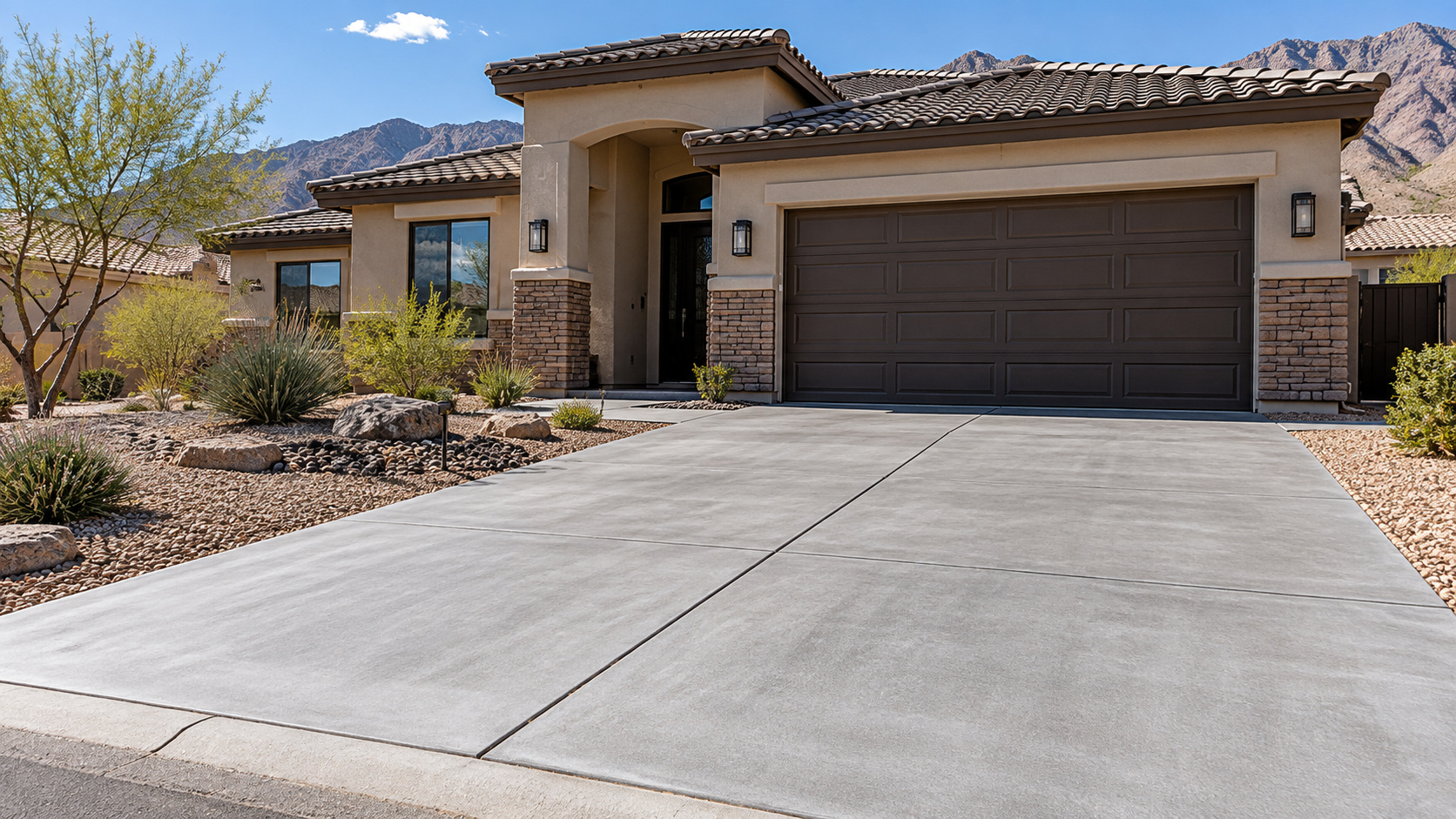
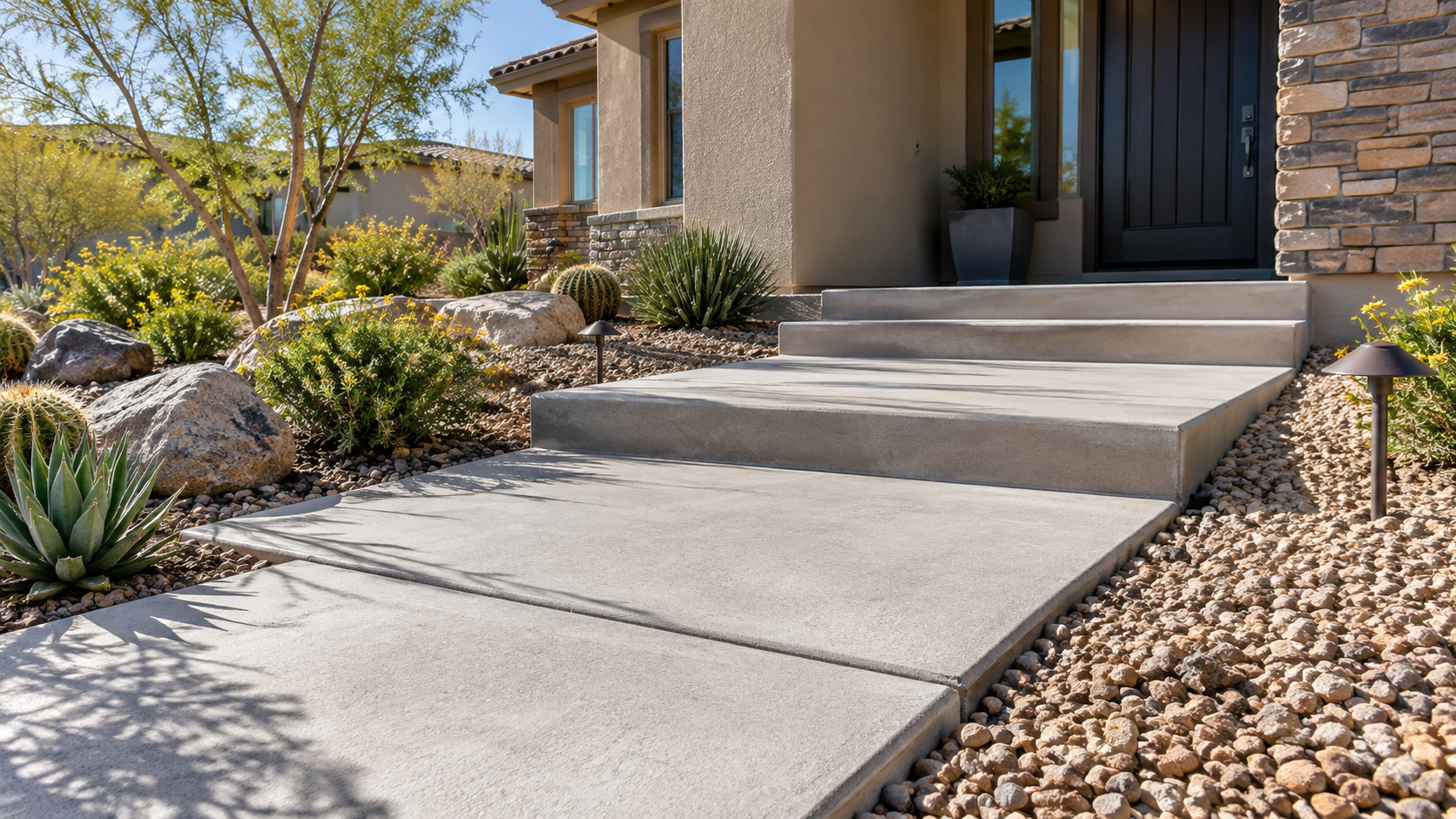
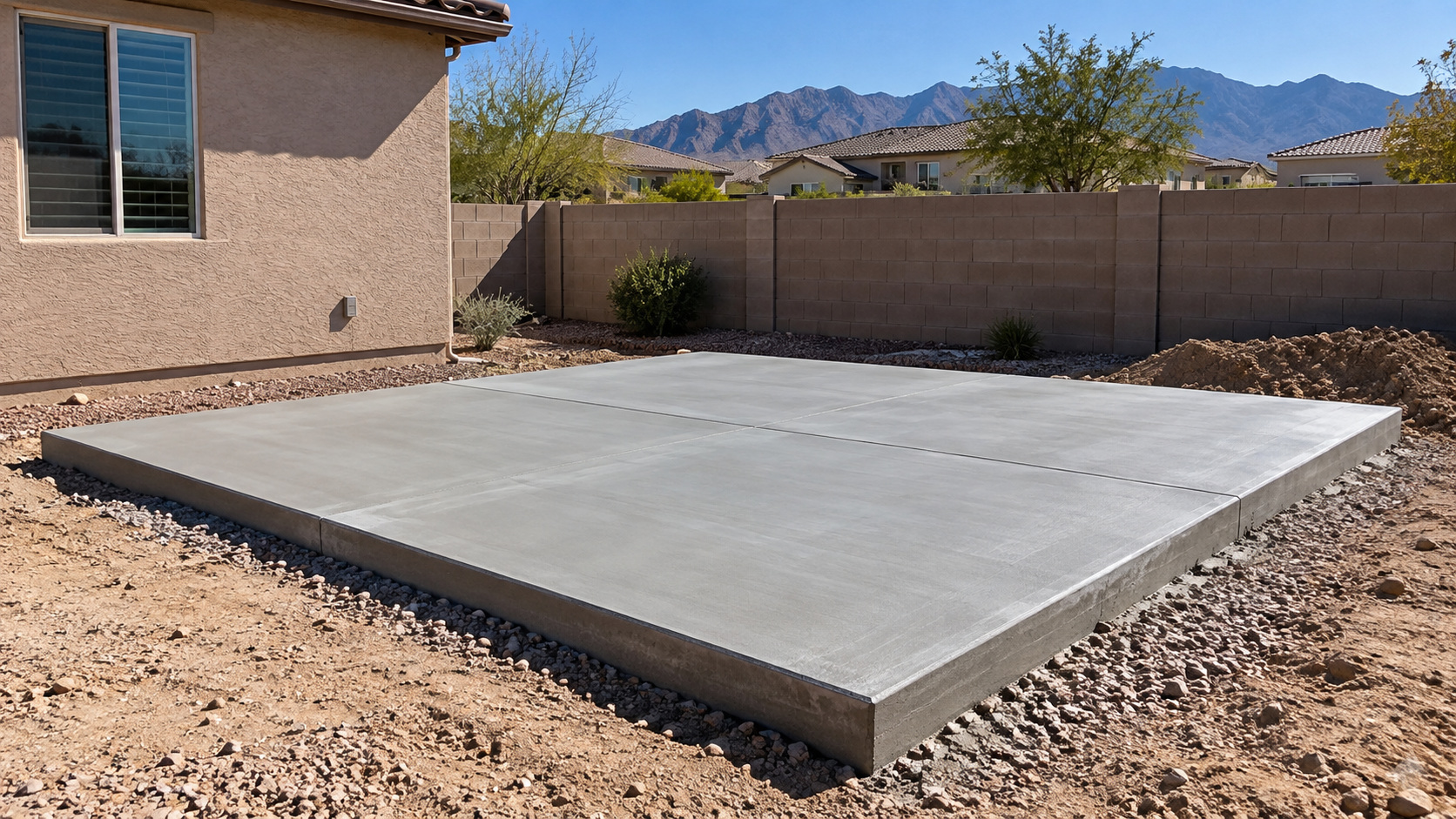
Project Planning
Cracks, Sunken Panels and Crumbling Edges
When we look at damaged concrete, we start with why it failed, not just how big the area is. Concrete doesn't fail for one reason. Cracks can come from shrinkage, movement, settlement, heavy loads, joint layout, impact or a mix of these, and scaling, broken edges, low spots and uneven panels each need a different look.
The real question isn't whether a crack can be filled. It is whether what's underneath is stable enough for a repair to last. When the base has moved, drainage is poor or several sections are failing, replacement is often the better use of your money, and we tell you which way we lean and why.
We start with what the concrete will carry and how you use it every day.
We set excavation, compaction, elevations and drainage before anything is poured.
We pick a finish and a placement plan that fit your property and how we can reach the work.
Repair or Replace?
Repair makes sense for isolated damage where the slab around it is sound and there's no sign of ongoing movement. Patching, crack treatment, edge repair or replacing one panel can restore the surface without tearing everything out.
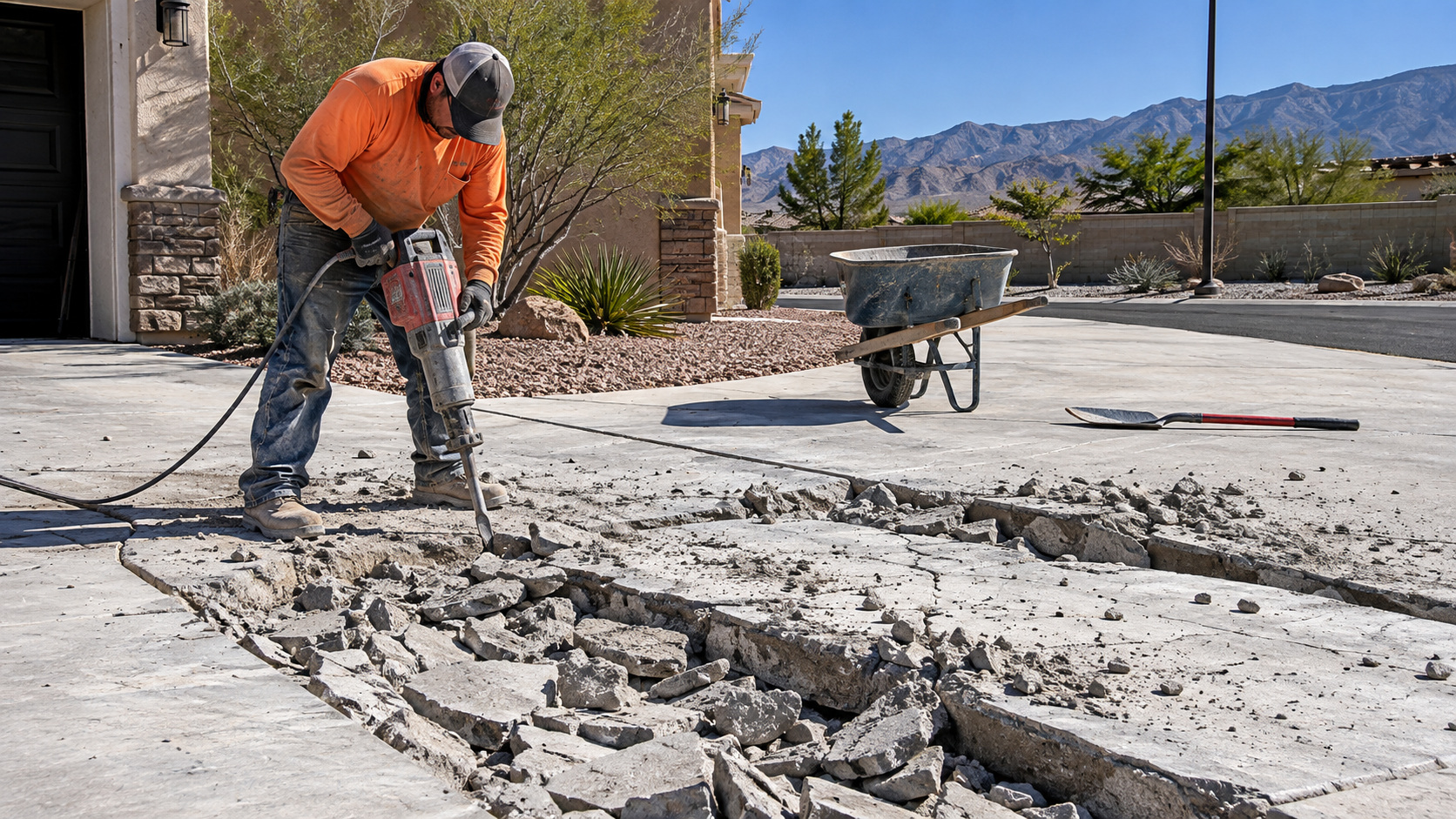
Replacement makes more sense when cracking is widespread, slabs have settled, water collects in low areas, old repairs keep failing or the layout no longer works for you. Taking the old concrete out also lets us fix the base and grading before the new pour.
What You Don't See Matters Most
The finish is the part you see. We put the same planning into what sits under it: the base, thickness, reinforcement, drainage, joints and the transitions to existing concrete.
Local Conditions
What Desert Heat and Your Lot Change
Long stretches of intense sun, dry air, irrigation next to hardscape, landscaping changes and varied soil or fill all affect concrete around Las Vegas Valley homes. We look at the damage together with the drainage, base, joints and nearby loads.
Repair materials have limits too. Hot surfaces and fast moisture loss affect how they go on and cure, so we follow the product instructions and the weather for repairs just as we do for new concrete.
Planning & Cost
What Your Price Depends On
Repair prices vary a lot because a small surface defect and a settled driveway section are not the same job, so we price repairs by method and cause, not by a single square-foot number. For replacement, our typical range for breaking out and hauling away a 4-inch slab is $3.60 to $5.40 per square foot, and the new concrete follows our typical range for that surface, such as $9 to $16 per square foot for a driveway. Your final price comes from a written quote after we see the job.
Replacement adds demolition, loading, disposal, excavation, base work, forming, reinforcement, new concrete and finishing. It costs more up front than a patch, but it can cost less over time than repairs that never fix the real problem.
| Cost Driver | What Changes |
|---|---|
| Project size | Concrete volume, forming, finishing and getting set up on site. |
| Demolition | Cutting, breaking, loading and hauling old concrete, and protecting what stays. |
| Base and grading | Excavation, compaction, new base material and correcting elevations. |
| Thickness and reinforcement | Set by what the concrete has to carry. |
| Finish | Broom, color, stamp, borders, texture and sealer where you want them. |
| Access | Gate width, how far we carry concrete, and equipment limits. |
Estimate Preparation
What to Send Us for an Estimate
The more you tell us about the property and how you will use the concrete, the more useful our first conversation is. Send rough dimensions, a few photos, the address or ZIP code, whether old concrete has to come out, how you will use it, the finish you want, any access limits and your timing. For structural or commercial work, send plans or specifications if you have them.
That tells us early whether your job is simple flatwork or needs demolition, extra base work, special reinforcement, permits or a harder placement.